






Concerns following dental treatment are more common than many patients realize. Whether the issue is persistent pain, unexpected sensitivity, a restoration that does not feel right, or disappointment with aesthetic results, these experiences deserve proper clinical attention. Dental work does not always produce a perfect outcome for every patient, and when complications arise, real solutions are available. Understanding why treatments fail, what symptoms to monitor, and what corrective options exist helps patients move forward with clarity rather than anxiety.
With accurate diagnosis and the right clinical team, most cases of failed dental work can be corrected, retreated, or replaced.
Page Contents
Why Dental Treatments Sometimes Fail
No dental procedure guarantees a perfect outcome for every patient. Even when standard clinical protocols are followed carefully, unexpected factors can affect results. Understanding why dental work goes wrong helps patients focus on solutions rather than assigning blame.
-
Infection: Bacteria can persist or return after treatment, causing pain or abscess formation even when technique was sound. Residual bacterial load is one of the leading causes of root canal failure and post-implant complications.
-
Unique anatomy: Patients with additional root canals, unusually curved roots, or atypical bone structure present greater treatment complexity. These variables are not always visible on standard x-rays, and clinicians can encounter unexpected findings mid-procedure.
-
Material breakdown: Dental materials degrade over time, with longevity influenced by both placement quality and the mechanical forces applied during chewing. Habits such as bruxism, nail biting, or using teeth as tools accelerate this process.
-
Patient habits: Clenching, grinding, and habitual chewing of hard substances place excessive load on crowns, fillings, and implants, contributing to premature failure.
-
Case complexity: Pre-existing bone loss, active gum disease, or previous dental treatment add variables that reduce predictability. Complex presentations carry a higher risk of complications even when clinical execution is thorough.
In many situations, failure does not reflect an error in clinical judgment but rather the inherent unpredictability of biological systems. A skilled dentist will assess these factors and focus the plan on long-term stability.

Common Signs That Something Is Not Right
Patients are encouraged to monitor for the following signs after dental work. These symptoms may indicate a need for follow-up evaluation or a consultation with a second opinion dentist. Early identification consistently leads to simpler and more cost-effective treatment.
-
Persistent pain or sensitivity: Mild post-treatment discomfort is expected and typically resolves within a few days. Pain that intensifies or continues beyond a week, or temperature sensitivity that lingers after the stimulus is removed, warrants clinical assessment.
-
Swelling or recurring infection: Repeat abscess formation, visible swelling near the jaw or gums, or discharge near the treatment site indicates unresolved infection. Antibiotic therapy alone is not sufficient without identifying and treating the underlying cause.
-
Loose or shifting restorations: Movement or instability in a crown, bridge, or implant suggests the supporting tooth structure or bone may be compromised. Even minor movement should be evaluated promptly, as delayed action can result in more extensive damage.
-
Persistent bad taste or discharge: Chronic bad taste or unusual odor near a treated area is commonly associated with hidden decay or ongoing low-grade infection and should not be overlooked.
-
Bite imbalance: If the teeth no longer meet comfortably, or jaw strain and headaches develop following treatment, bite adjustment may be required. An unaddressed occlusal problem can lead to excessive wear, fracture of adjacent teeth, or temporomandibular joint discomfort.
-
Cosmetic concerns: Dissatisfaction with the color, shape, proportion, or texture of a restoration is a legitimate concern and can frequently be addressed through open communication and, where necessary, revision of the restoration.
Symptoms that persist beyond a week or worsen progressively should not be left unaddressed. Early evaluation helps prevent minor issues from developing into more complex and costly problems.
Most Common Types of Failed Dental Treatments
Failed Root Canal Treatment
A failed root canal is among the most frequently encountered cases in corrective dentistry. Residual bacteria, missed accessory canals, or incomplete sealing of the root system can result in ongoing pain, swelling, or recurring abscess. Retreatment by an endodontist, supported by high-resolution imaging and surgical microscopes, resolves the majority of these cases. When retreatment alone is insufficient, a minor surgical procedure called an apicoectomy can address infection at the root tip directly.
Dental Implant Failure
Dental implant failure occurs when osseointegration does not proceed successfully, when peri-implantitis develops around the implant site, or when placement positioning does not adequately support function. Signs include persistent pain at the implant site, visible gum recession, or detectable movement. Treatment decisions are based on the severity of bone loss and infection, and may involve implant removal, bone grafting to restore lost volume, and carefully staged replacement once the site has healed sufficiently.
Failed Crowns and Bridges
Crowns and bridges fail when marginal fit is inadequate, allowing microleakage and secondary decay beneath the restoration. Porcelain fracture under heavy occlusal load and cement washout over time are also common causes. Visible gaps at the crown margin, chipped porcelain, or any detectable shift in position require prompt evaluation. Delays in addressing these issues place the supporting tooth and neighboring teeth at risk of further damage.
Failed Fillings
Fillings fail when they fracture, lose their marginal seal, or allow secondary decay to form at the restoration edge. Temperature sensitivity, sensitivity to sweet foods, or visible cracks and gaps in the filling surface are early indicators. Addressing filling failure at this stage generally allows for a straightforward repair, avoiding the need for more extensive treatment such as a crown or root canal.
Orthodontic and Bite Issues
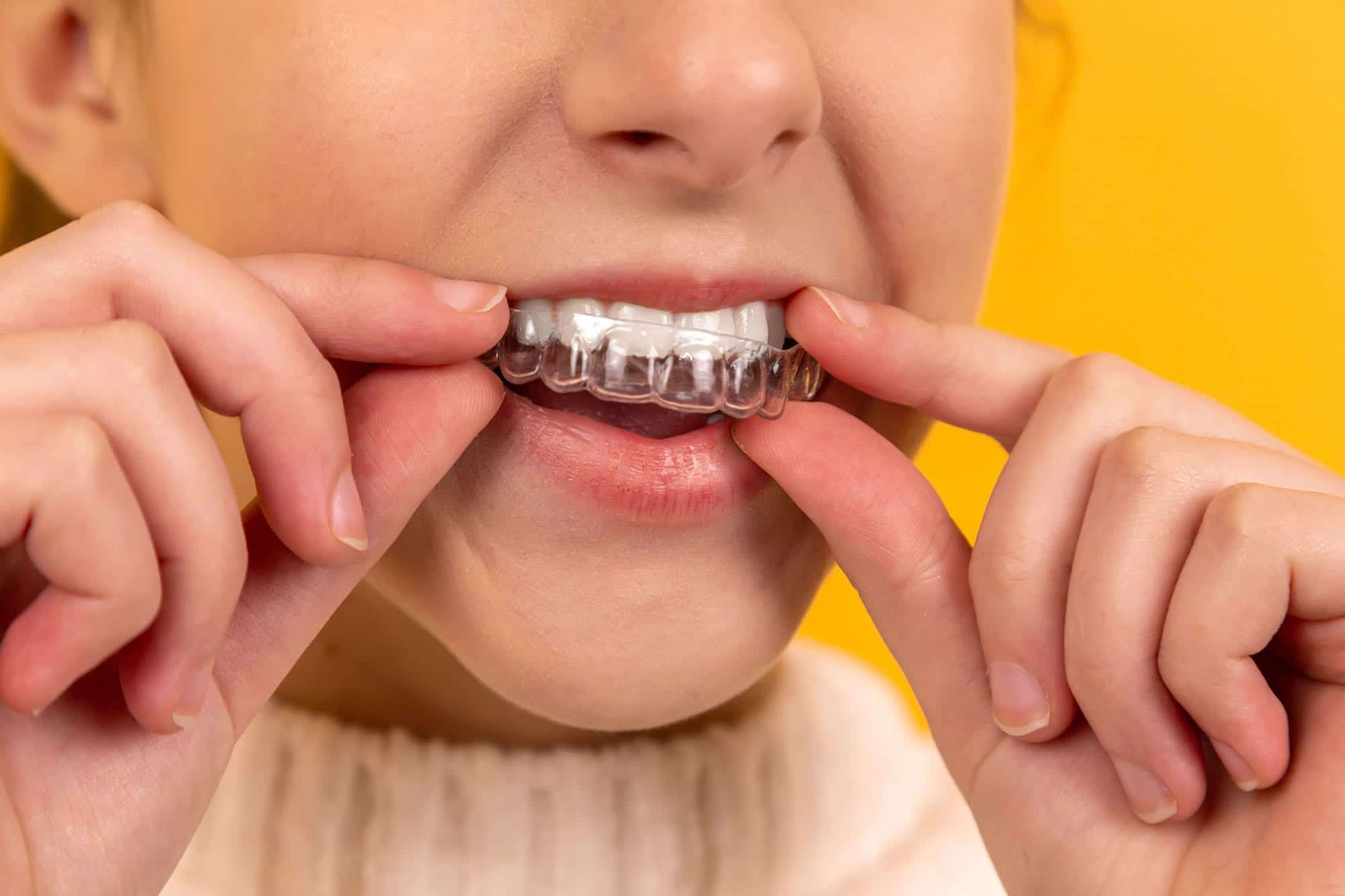
In some cases, orthodontic treatment improves dental alignment but does not fully resolve underlying bite function, or teeth shift out of corrected positions after treatment ends. Jaw discomfort, tooth misalignment, changes in speech, or difficulty chewing following orthodontic treatment are all worth discussing with a provider. Depending on the extent of relapse, correction may involve minor tooth movement, occlusal adjustments, or a revised retainer protocol.
Why Getting a Second Opinion Matters
When facing unresolved symptoms or uncertainty about a proposed treatment plan, consulting a second opinion dentist is a practical and well-established step. Second opinions are routine in dentistry, particularly for complex restorative cases, persistent symptoms, or decisions involving significant expense. They provide several tangible benefits.
-
Confirmation of the diagnosis before committing to treatment, ensuring the proposed plan is grounded in accurate findings
-
Access to alternative treatment approaches or specialist referrals that a different provider may be better positioned to offer
-
Avoidance of unnecessary procedures through independent evaluation, particularly when a proposed treatment seems premature or unusually extensive
-
Greater confidence in the care plan, especially when facing costly or irreversible treatment decisions
Seeking a second opinion is not a sign of distrust. It is a reasonable step that any reputable provider should support. Patients experiencing persistent symptoms or uncertainty about a treatment plan benefit significantly from an independent clinical perspective.

What to Expect During a Second Opinion Consultation
During a second opinion consultation, the process typically follows a structured sequence designed to give the evaluating dentist a complete clinical picture.
-
Review of dental and medical history, along with any available prior records or x-rays. Bringing previous documentation saves time and supports more accurate evaluation.
-
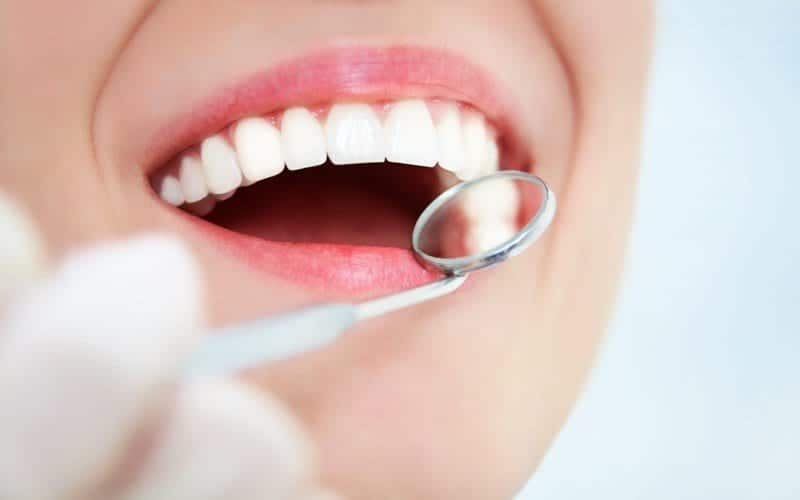
Detailed clinical examination of the area of concern, including adjacent teeth and surrounding gum tissue, to establish the full extent of any problem.
-
Additional imaging when required, such as periapical x-rays or a 3D CBCT scan, to provide the diagnostic detail needed for accurate treatment planning.
-
Clear explanation of findings using plain language, with adequate time for patient questions.
-
Discussion of available treatment options, including expected outcomes, recovery considerations, and associated costs for each approach.
Patients are encouraged to bring a written list of questions, carry any relevant prior records, and take notes during the appointment to support informed decision-making.
How Dentists Diagnose Failed Dental Work
Thorough diagnosis is the foundation of effective corrective treatment. Once a problem is identified through symptom review, dentists typically use several tools in combination to establish a complete and accurate clinical picture.
-
Visual examination: Direct assessment of teeth, gums, and existing restorations for visible signs of cracking, decay, recession, discoloration, or swelling.
-
Radiographic imaging: Conventional x-rays and CBCT scanning identify subgingival decay, periapical infection, bone changes, and structural issues not visible during surface examination. CBCT imaging is particularly valuable for complex root anatomy and bone defects.
-
Bite analysis: Articulating paper or digital occlusal tools help identify premature contacts and bite imbalances contributing to discomfort or accelerating restoration failure.
-
Periodontal assessment: Evaluation of gum health and bone levels around existing restorations provides essential context about supporting structures, influencing what treatment options are realistic and appropriate.
This combination of diagnostic tools allows treatment decisions to be based on comprehensive data rather than symptom management alone.
Treatment Options for Failed Dental Work
Treatment options for failed dental work depend on the nature and extent of the failure, the condition of the affected tooth and surrounding structures, and the patient’s overall oral health goals. Options generally fall into the following categories.
Repair vs. Replacement
Minor failures can sometimes be corrected through targeted repair, such as resealing a filling, rebonding a crown, or adjusting bite alignment. When decay, fracture, or infection has progressed beyond what conservative management can address, full removal and replacement of the failed dental work is typically the more durable solution. A clear comparison of both options, including expected longevity and costs, should be part of any treatment consultation.
Retreatment
Root canal retreatment involves reopening the tooth, thoroughly cleaning the canal system, and resealing the space. This approach is appropriate when the tooth structure remains viable and infection has not spread extensively into surrounding bone. Advanced imaging and the use of surgical microscopes significantly improve the ability to locate previously missed canals, which are a common cause of initial treatment failure.
Surgical Options
-
Apicoectomy: Surgical removal of the root tip and surrounding infected tissue when retreatment alone has not resolved the problem.
-
Bone grafting: Reconstruction of lost bone volume around a tooth or implant site to provide adequate support for new restorations. Modern grafting techniques have made this a predictable and routine procedure.
-
Implant revision: Removal of a failed implant, infection management, and staged replacement after the site has fully healed, sometimes with repositioning to improve biomechanical function.
Full Reconstruction
In complex cases involving multiple failed restorations, significant bone loss, or a combination of periodontal and restorative problems, full mouth reconstruction may be the most appropriate path. This coordinated approach addresses gum health, replaces multiple compromised teeth, and restores proper bite function and aesthetics in a planned sequence. Careful staging and close coordination between patient and provider are essential for predictable results.
Can Failed Dental Work Be Fully Fixed?
In the majority of cases, dental work that has not delivered the expected result can be repaired, retreated, or replaced successfully. Outcomes depend on how promptly treatment is sought, the current condition of the affected teeth and surrounding bone, and the experience of the dental team involved. Early intervention consistently results in more straightforward solutions and better long-term stability.
Even long-standing issues that have gone unaddressed for an extended period can often be resolved with careful planning and specialist input. Open communication about prior treatment history and current symptoms significantly improves the likelihood of a successful corrective outcome.

How to Choose the Right Dentist for Corrective Treatment
Correcting failed dental work requires a dentist with demonstrated experience managing complex restorative cases. The following factors are worth considering when selecting a provider.
-
Experience with retreatment and revisions: Dentists who regularly manage corrective cases bring additional clinical insight to procedures that carry significant underlying complexity.
-
Access to advanced imaging: CBCT technology enables three-dimensional diagnosis and more individualized treatment planning, particularly for implant revision, root canal retreatment, and bone grafting.
-
Clear communication: Patients should feel fully informed at every stage, with treatment options explained in plain language and questions welcomed without hesitation.
-
Transparent treatment planning: A step-by-step plan that clearly outlines risks, expected benefits, and costs helps patients make confident, well-informed decisions.
The quality of clinical communication matters as much as technical skill. Patients should feel comfortable raising concerns at any stage of the process.
How to Avoid Problems in Future Dental Treatments
While not all dental complications are preventable, consistent preventive habits and proactive communication remain the most reliable ways to protect the longevity of dental work.
-
Maintain regular check-up and hygiene appointments so developing issues are identified and managed before they escalate. Routine clinical visits remain the most effective safeguard against avoidable failure.
-
Follow post-treatment care instructions precisely. Healing and long-term durability both depend on adherence to these guidelines in the days and weeks following a procedure.
-
Select providers based on verifiable experience, patient outcomes, and professional credentials rather than cost alone.
-
Report symptoms early. Small findings identified at an early stage are consistently easier and less costly to address than problems identified after significant progression.

When to Seek Help Immediately
Certain symptoms require prompt attention and should not wait for a scheduled appointment. Patients experiencing any of the following should contact a dental provider without delay.
-
Severe or rapidly worsening pain that does not respond to over-the-counter pain relief
-
Swelling of the face, neck, jaw, or floor of the mouth, particularly if it is spreading or affecting the ability to open the mouth or swallow
-
Fever, general malaise, or spreading redness near a treated area, which may indicate systemic infection
-
Sudden loosening or complete dislodgement of a crown, bridge, or implant
These symptoms can indicate active dental infection with potential implications beyond the mouth. Same-day or emergency evaluation is strongly recommended. Timely intervention prevents serious complications and preserves a broader range of treatment options.
Taking Control of Your Dental Care
Experiencing failed dental work is not uncommon, and it is not a reason for embarrassment. Many patients find effective resolution through accurate diagnosis, a clearly communicated treatment plan, and, when appropriate, an independent second professional opinion. The focus at every stage should be on restoring comfort, function, and confidence in a sustainable, evidence-based way.
Patients who ask informed questions, monitor symptoms carefully, and seek evaluation early consistently achieve better outcomes. With the right clinical team and a structured corrective approach, most cases of dental work gone wrong can be successfully resolved.

Get a Professional Evaluation at Thantakit
If you have concerns about previous dental treatment or are experiencing symptoms that have not resolved, Thantakit International Dental Center offers comprehensive evaluation, accurate diagnosis, and a full range of corrective and restorative care. With decades of clinical experience across specialist services, the team at Thantakit can identify the source of the problem and provide a clear, structured path forward.
Visit www.thantakit.com to schedule a consultation or request a second opinion. Reliable answers and professional care are available when you need them most.