





A wedding date on the calendar. A job interview next month. A professional headshot session booked for the end of the year. These are the moments when many people suddenly look in the mirror and notice their smile more than usual.
Big events have a way of drawing attention to things that go unnoticed from day to day. When memories will be captured in photos, or when a first impression carries real weight, feeling confident about your teeth naturally becomes part of the preparation.
Most dental treatments, whether a simple cleaning or a more involved cosmetic procedure, can fit into your schedule if you start the conversation early. Getting ahead of the date gives time for treatment, healing, and any adjustments, so that by the day itself, your smile feels comfortable and natural.
Page Contents
Why Timing Matters Before a Big Event
Dental treatments generally fall into two broad groups when it comes to timing.
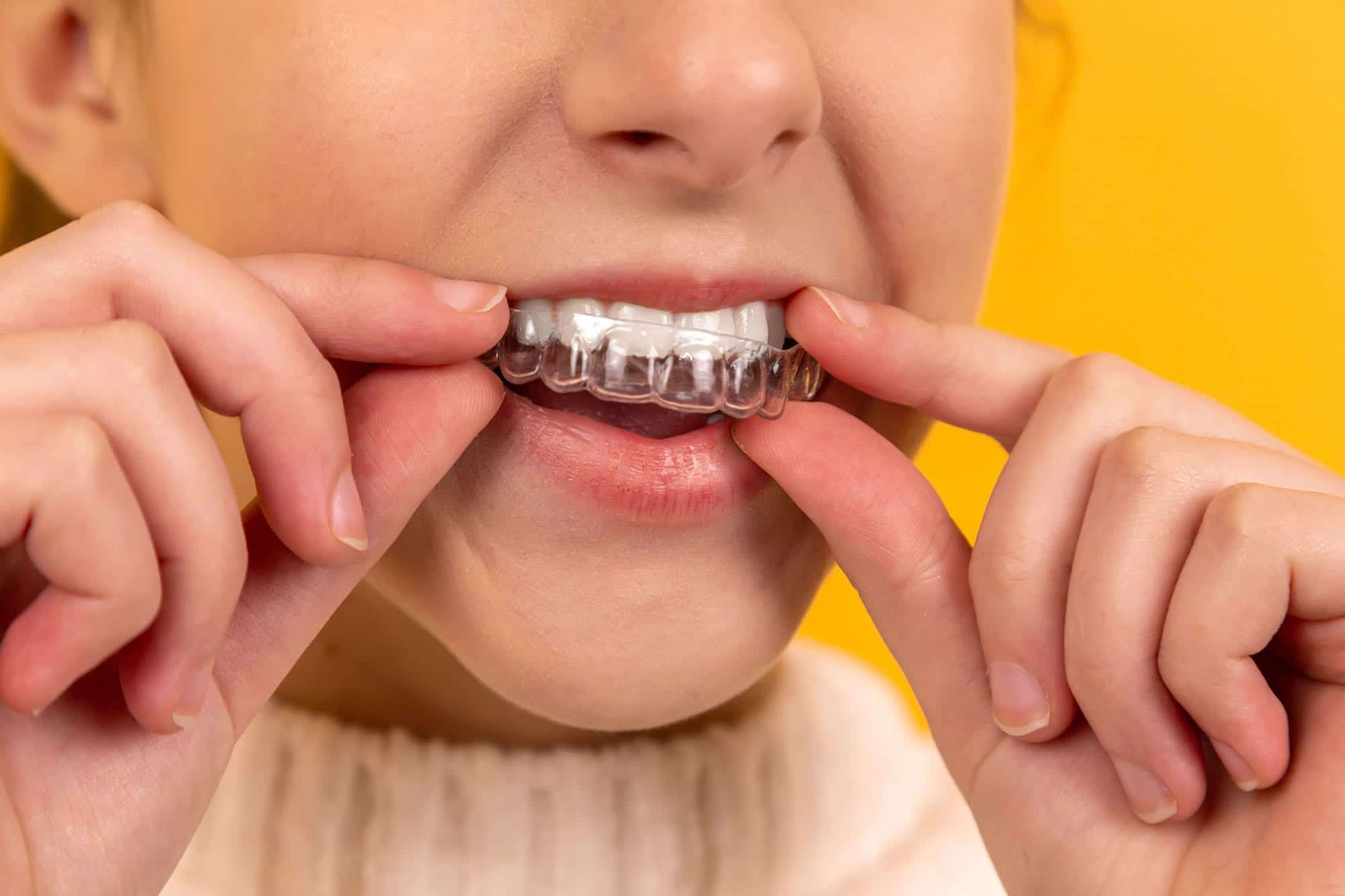
Some options, such as professional cleaning, stain removal, and polishing, can often be completed in a single visit and sometimes scheduled without much lead time. Others, including veneers, crowns, dental implants, gum therapy, whitening for sensitive teeth, and orthodontic work, require more time for healing, lab work, or multiple appointments.
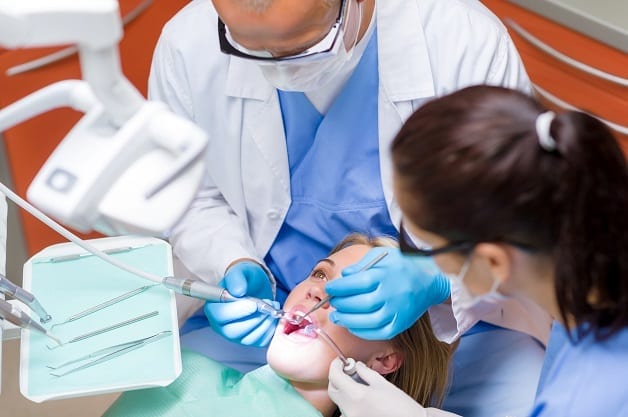
The right approach depends not only on the type of treatment, but also on your current oral health. Starting with a dental assessment is always the best first step. It helps identify any underlying issues, such as small cavities, aging fillings, or early signs of gum disease, that could affect your plans if left unaddressed.
Getting in ahead of time means your dentist can guide you toward safe, realistic options with enough time to get the results right.
Quick Smile Improvements
If you are looking for a noticeable difference without a long wait, there are several treatments that may be suitable depending on your oral health.
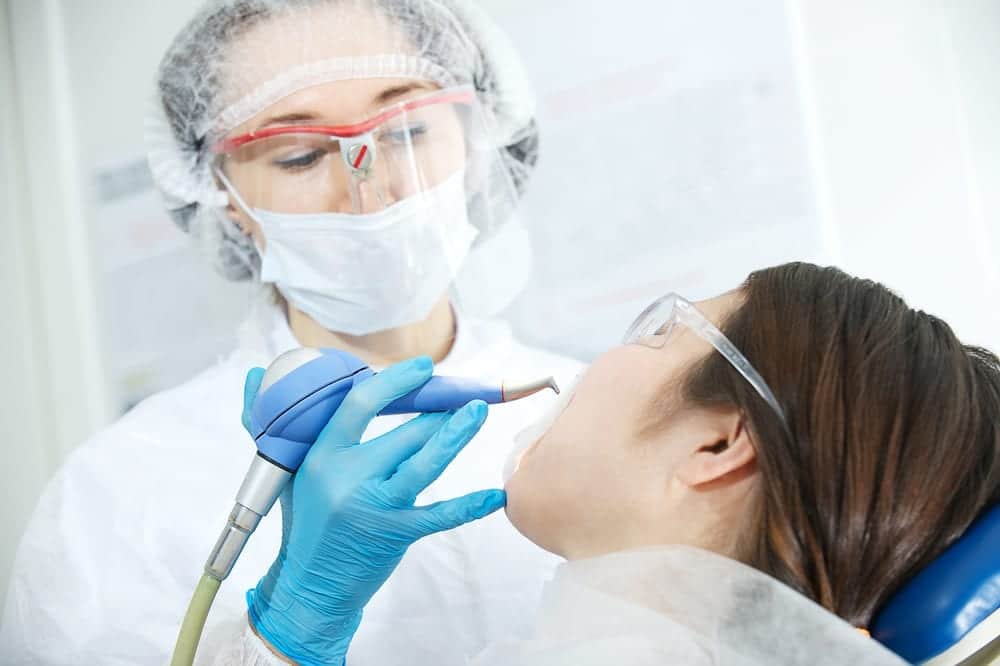
Professional cleaning and polishing can remove surface stains from coffee, tea, or red wine, giving teeth a cleaner, refreshed appearance. Minor bonding, such as repairing a small chip with tooth-colored resin or replacing a visible dark filling, can often be completed in a single appointment.
Whitening is another option many patients consider before events, though it is not suitable for everyone. Your dentist will check for tooth sensitivity, existing crowns, veneers, or fillings before recommending any whitening treatment, since these restorations do not respond to bleaching the same way natural teeth do. Gum health also matters: whitening is generally not recommended when the gums are inflamed or irritated.
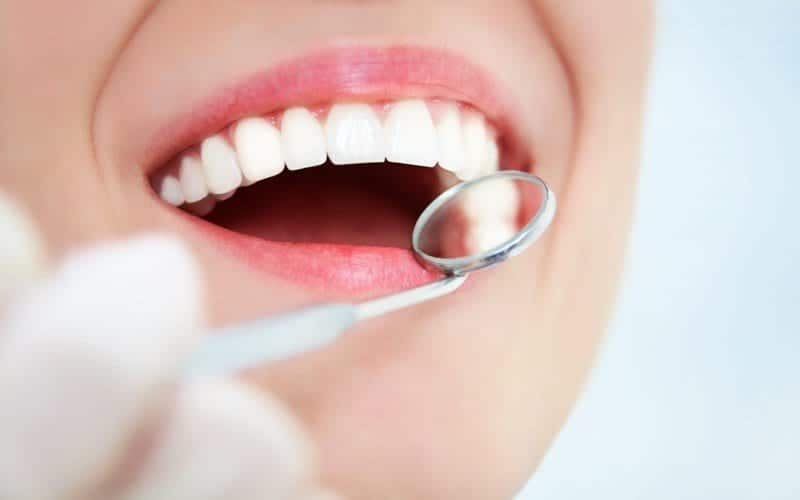
Even simple cleaning and minor repairs can make a meaningful difference for photos and in-person occasions.
Treatments often possible with shorter notice:
- Professional cleaning and polishing: Removes stains and gives teeth a natural shine.
- Minor dental bonding: Repairs small chips or uneven edges, often in a single appointment.
- Tooth-colored fillings: Updates visible dark fillings for a more seamless look.
- Whitening (with dentist’s approval): May brighten the smile if teeth and gums are suitable for treatment.
Not all of these are appropriate for every patient. A careful exam helps your dentist recommend what is safe and realistic for your situation before the event date arrives.

Treatments That Need More Time
Some cosmetic and restorative treatments involve multiple steps and cannot be rushed if the results are to be comfortable, natural-looking, and long-lasting.
Treatments such as veneers, crowns, bridges, dental implants, gum reshaping, deep cleaning, and orthodontic work typically begin with a thorough assessment that may include X-rays and digital scans. For veneers and crowns, the process often involves color matching, temporary restorations, and a final fitting, followed by follow-up checks to fine-tune the bite and overall comfort.
Lab work is another reason to plan well in advance. Custom-made restorations are not produced on the spot; dental technicians need time to craft pieces that fit well and look natural. Adjustments after the initial fitting are common, and these final refinements often make a real difference in the end result.
Implants and full-arch restorations require additional healing time as the bone and tissue stabilize after each stage of treatment. Gum treatments such as deep cleaning or contouring may also need several weeks of recovery before further dental work can begin.
Treatments that typically require longer planning:
- Veneers and crowns: Consultation, preparation, color matching, temporary placement, final fitting, and follow-up.
- Dental implants: May involve extraction, bone healing, implant placement, integration time, and crown attachment.
- Gum treatments: Deep cleaning or contouring may need several weeks of healing before new dental work proceeds.
- Bridges or full-arch restorations: Require impressions, lab work, temporaries, and careful adjustments over time.
Allowing enough time for these treatments ensures the process is comfortable and the results have time to settle properly before your event.

Dental Planning Before Weddings
Weddings are occasions where smiles appear in almost every moment: photographs, videos, speeches, first dances, and close greetings with the people who matter most. It is natural for couples, family members, and wedding party guests alike to want to feel their best on the day.
For anyone considering visible dental changes before a wedding, starting the process months in advance is strongly recommended. Treatments like whitening, veneers, or larger cosmetic improvements need time to look and feel their best. The goal is to avoid being photographed while treatment is still in the temporary stage.
If you have sensitive teeth, crowns, or a mix of natural teeth and dental work, a dentist can help identify an approach that works for your specific situation. Not every whitening method is suitable for every patient, and the right starting point varies depending on your existing oral health.
Even simpler care, such as a professional cleaning and gum check, benefits from being scheduled at least a couple of weeks before the ceremony. This gives time for any minor sensitivity to pass and ensures the result looks naturally healthy rather than freshly worked on.
Partners, parents, siblings, and anyone in the wedding party who cares about their smile are also welcome to plan together. An early group consultation with the dental team can help take some of the pressure off and make sure everyone feels relaxed and camera-ready on the day.

Interviews, Headshots, and Professional Photos
Not every important occasion involves a ceremony. Job interviews, passport photos, LinkedIn headshots, conference appearances, and professional photo sessions all put your smile on display in ways that matter.
For these occasions, subtle improvements tend to be the most effective. A clean, healthy smile looks polished and confident in high-resolution images without appearing artificially altered. Gum health plays a larger role than many patients expect: red or puffy gums can show up in close-up photos just as noticeably as tooth color.
Simple preparations can make a real difference: a cleaning and polish for instant freshness, small chip repairs to smooth any uneven edges that show in close-up images, and replacing visible dark fillings in front teeth for a more seamless look. Fresh breath and healthy gums are especially important for in-person interviews and meetings where confidence goes beyond what a photo can capture.
Useful steps before professional events:
- Cleaning and polishing: Produces instant freshness and confidence, especially for close-up headshots.
- Small chip repairs: Smooths out uneven or jagged areas that may be more noticeable in high-definition images.
- Tooth-colored fillings: Replacing dark or silver fillings in visible front teeth can improve the overall look in photos.
- Gum health and fresh breath: Particularly important for interviews and any in-person professional meetings.
These steps often fit comfortably within a few weeks of planning, leaving you feeling more relaxed and natural by the time the appointment or session arrives.
What Not to Leave Until the Last Minute
If a major event is approaching, it is generally best to avoid beginning significant dental procedures just days before, unless something requires urgent attention.
Treatments such as full smile makeovers, dental implants, tooth extractions, or gum surgery involve healing time that can extend for weeks or months. Starting these too close to an important event means gums may still be tender, new restorations may not yet feel fully settled, and some sensitivity could still be present on the day.
Even whitening is worth approaching carefully close to an event date. Some patients notice temporary tooth sensitivity after whitening, and allowing at least a week or two between treatment and the event gives time for any discomfort to pass.
Planning in advance removes this risk entirely. It allows time for follow-up visits, minor adjustments, and any small touch-ups that naturally accompany more involved dental work. If a genuine dental emergency arises close to your event, your dentist will manage it appropriately, but early planning is always the more comfortable path.

Advice for International Patients Visiting Thailand
For patients traveling from outside Thailand for dental treatment, early communication with the clinic makes a significant difference in how smoothly everything comes together.
Before your trip, it helps to send recent dental X-rays, a brief dental history, and clear close-up photos of your teeth and smile. Sharing details about previous dental work, any known allergies, and your treatment goals allows the dental team to assess what is realistic and begin planning before you arrive. This saves valuable appointment time and helps avoid surprises once you are here.
Some treatments fit well within a shorter stay in Bangkok. However, more complex procedures such as implants, full-arch restorations, or extensive cosmetic work may require multiple visits or a longer stay to allow for healing and adjustments between stages. Being upfront about your travel dates helps the clinic build a realistic plan around them.
Thantakit Dental Center works regularly with international patients and can help map out a schedule that fits your trip, balancing treatment appointments with time to recover and enjoy Bangkok. Reaching out as soon as your travel is booked gives the team the best chance to prepare everything before you arrive.
Simple Planning Timeline
A practical timeline can help take the guesswork out of dental preparation before a big event.
3 to 6 months before
Book an initial consultation. This is the right stage to begin orthodontic treatment, veneers, crowns, dental implants, full-arch restorations, or deep gum care. Anything that involves healing, lab work, or multiple appointments should start here.
1 to 3 months before
Whitening (if suitable), dental bonding, replacing visible fillings, and other smaller cosmetic treatments. Your dentist can also identify any developing issues and address them with enough time remaining.
A few weeks before
Professional cleaning, gentle stain removal, minor repairs, and a final check-up. At this stage, the focus is on comfort, freshness, and polish rather than significant changes.
Final days
Avoid starting any new or unfamiliar procedures unless absolutely necessary. The goal is to feel comfortable and arrive at your event with clean teeth and no last-minute uncertainty.
This approach removes the pressure of rushing and lets the results of any treatment settle naturally before the day itself.

How Thantakit Can Help
Thantakit Dental Center in Bangkok works with patients preparing for weddings, professional events, international trips, and other occasions where feeling confident about their smile matters.
Whether you are based locally or traveling from abroad, the team can help you create a realistic treatment timeline that fits your schedule and current oral health. Services range from professional cleaning and cosmetic improvements to restorative treatments and full-arch solutions, with bilingual staff and flexible scheduling available for international patients.
The clinic uses digital scanning, careful shade matching, and clear communication at every stage of the process. Early consultations allow the team to give honest guidance on what is achievable within your timeframe, whether that means working around a ceremony date, a photo deadline, or a booked travel window, so there are no surprises when it matters most.
Frequently Asked Questions
How far in advance should I see a dentist before my wedding?
For most patients, a consultation 3 to 6 months before the wedding gives the most flexibility. This window allows time for major work, whitening, or cosmetic treatments if needed. Even if you are only planning a cleaning or minor repairs, booking at least a few weeks in advance helps avoid any last-minute complications.
Can I whiten my teeth a few days before an event?
It is generally better to allow at least one to two weeks between a whitening treatment and your event. This gives the color time to settle and allows any temporary sensitivity to pass. If you have existing crowns, veneers, or sensitive teeth, your dentist will advise on the most suitable approach and what to realistically expect from the results.
What dental treatment gives the fastest improvement?
Professional cleaning, polishing, and minor chip repairs usually produce visible results in a single visit. For more noticeable changes such as whitening or bonding, allowing a few weeks is usually advisable depending on your current dental health. Your dentist can recommend the most effective option after a brief assessment.
Should I get veneers right before a photoshoot?
Veneers typically require consultation, preparation appointments, lab work, and follow-up adjustments. Starting this process too close to a photoshoot risks arriving on the day with temporary veneers or an unfinished result. For most patients, beginning the veneer process two to three months before the event allows enough time to complete all stages comfortably.
Can international patients complete dental work in one trip?
Some treatments, such as cleaning, minor bonding, or small repairs, can often be completed within a single trip. More complex work such as implants, multiple veneers, or full-arch restorations may require a longer stay or a follow-up visit to allow for healing and final adjustments. Sharing your dental records, treatment goals, and travel dates with the clinic before you arrive allows the team to plan a realistic schedule around your time in Bangkok.
What should I avoid before an important event?
It is generally best to avoid beginning major new procedures such as implant surgery, tooth extractions, or gum surgery in the days or weeks immediately before a big event unless truly necessary. Even whitening should be approached carefully if you have sensitive teeth. Giving yourself enough time for healing, comfort, and any small follow-ups means you can attend your event feeling settled and confident.
Ready to Plan Your Smile?
If you have a wedding, interview, graduation, professional photo session, or trip to Bangkok coming up, contact Thantakit Dental Center early.
The team can review your oral health, discuss your goals, and help you choose a realistic treatment timeline that fits your event date.